

What Is My Growing Zone? How We Find the Best Evergreen Gift Tree for Your Climate
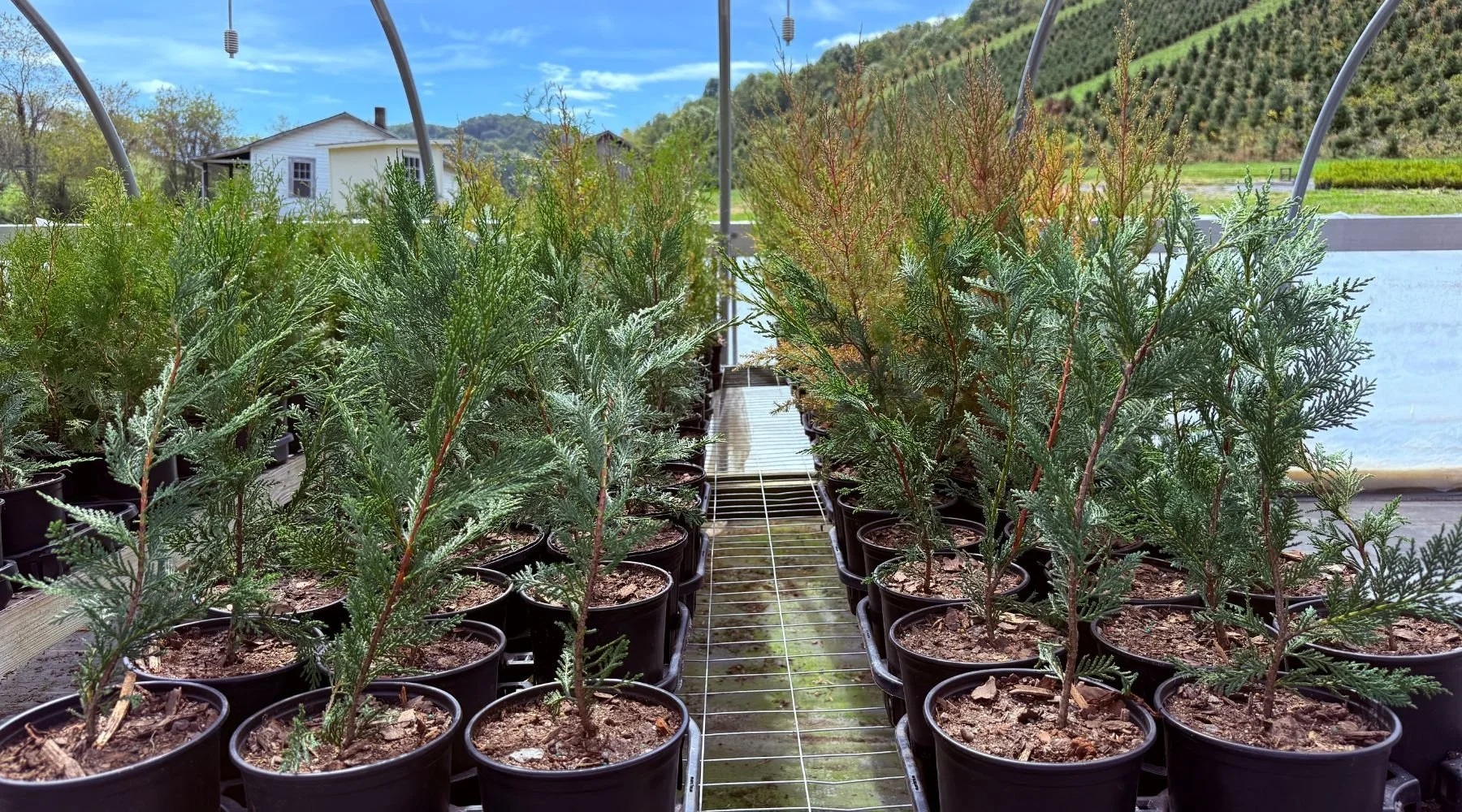
When you give someone a living tree, you are giving something that has the potential to grow for years to come. But before planting a tree, it helps to understand one important detail: the growing zone.
If you have ever wondered, “What is my growing zone?” you are not alone. Many gardeners, homeowners, and gift-givers use growing zones to understand which plants and trees are best suited for a particular location.
For Little Saps, growing zones help us select evergreen trees that are appropriate for the recipient’s region, so your gift arrives ready for the conditions where it will grow.
Whether you are planting a tree in your own backyard or sending an evergreen gift tree to someone you love, knowing the growing zone is an important first step.
What Is My Growing Zone?
A growing zone, also called a plant hardiness zone, is a geographic area that tells you how cold a region typically gets during winter. The USDA Plant Hardiness Zone Map divides the United States into zones based on average annual minimum winter temperatures.
In simple terms, your growing zone helps answer:
“Can this plant or tree survive the temperatures where I live?”
The USDA Plant Hardiness Zone Map is one of the most useful tools for understanding which plants are likely to thrive in your area.
You can find your growing zone by entering your ZIP code into the USDA Plant Hardiness Zone Map.
Why Does My Growing Zone Matter?
Not every tree thrives in every climate. A tree that grows beautifully in the mountains of North Carolina may not be the right choice for a warmer coastal region or a colder northern climate.
Knowing your growing zone helps you choose trees that are more likely to:
Handle your area’s winter temperatures
Grow successfully over time
Receive the right conditions for healthy development
For a living gift, this matters even more. A tree is not just something beautiful to receive today. It is something meant to become part of someone’s landscape for years.
What Does a Growing Zone Tell You?
A growing zone provides important information about a tree’s cold tolerance and where it can grow successfully.
Cold Tolerance
The USDA growing zones are based primarily on average minimum winter temperatures. Each zone represents a range of temperatures, helping gardeners understand whether a plant can withstand typical winter conditions.
For example, a tree suited for colder zones may tolerate freezing temperatures that a warm-weather tree cannot.
Tree Survival
Choosing the right tree for the right climate increases the likelihood that it will establish healthy roots and continue growing.
At Little Saps, we grow and source evergreen trees selected to thrive in different U.S. growing regions. Each gift tree is chosen with the recipient’s location in mind.
Climate Considerations
Growing zones are an important starting point, but they are not the only factor that determines whether a tree will thrive.
Other conditions matter too, including:
Amount of sunlight
Soil type
Water availability
Available planting space
A growing zone helps narrow down your options, but the full environment creates the best conditions for growth.
How to Find Your Growing Zone
Finding your growing zone is simple.
Step 1: Look Up Your ZIP Code
The easiest way to find your growing zone is by entering your ZIP code into the USDA Plant Hardiness Zone Map
Step 2: Understand Your Zone on the Map
The USDA map divides areas into numbered zones. The lower the number, the colder the average winter temperatures.
Each zone represents a range of average minimum temperatures, helping gardeners compare which plants are best suited for their location.
When choosing a gift tree, your recipient’s growing zone can help guide the best evergreen variety for their home.
Sending an Evergreen Gift Tree? Use the Recipient’s Growing Zone
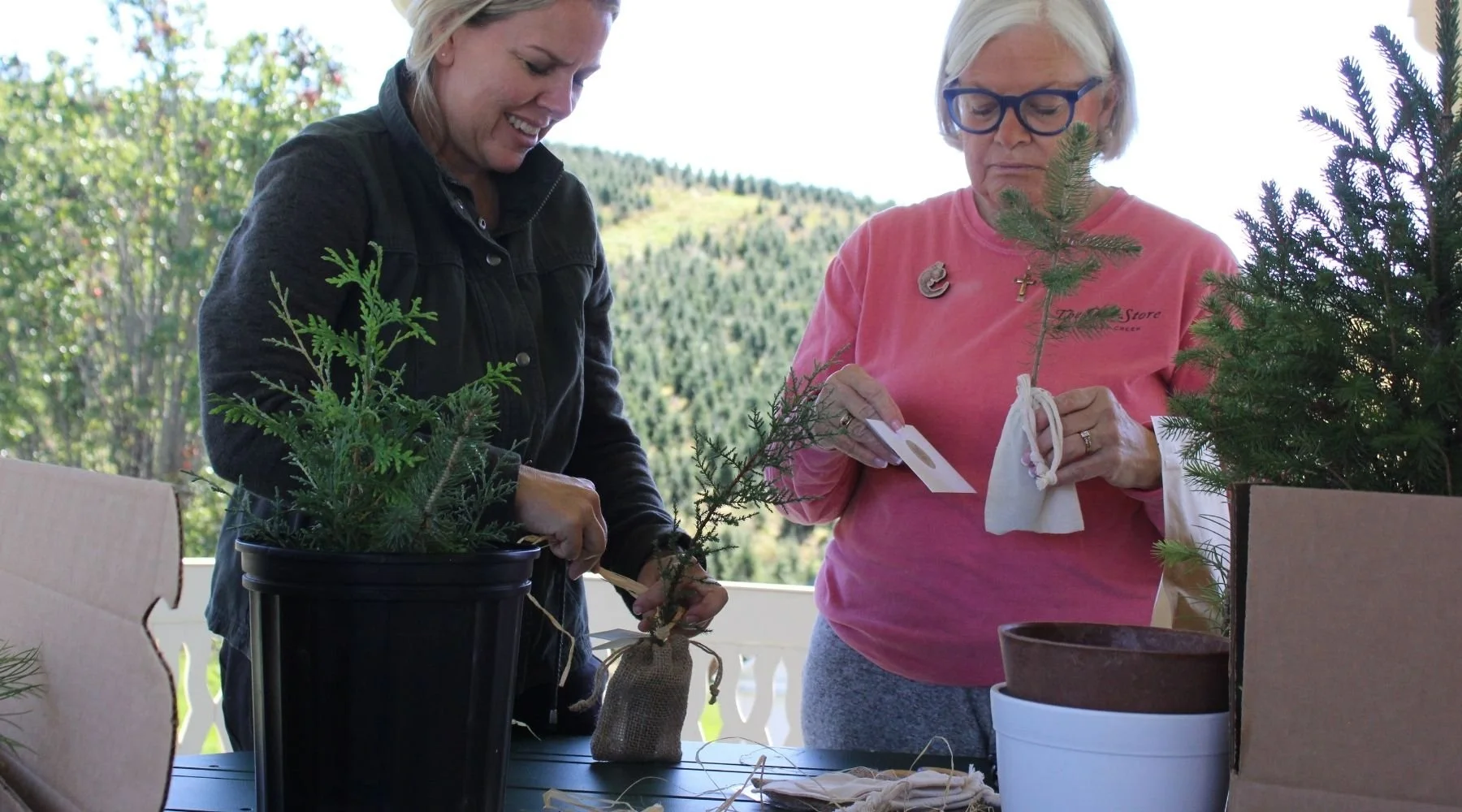
If you are sending a tree as a gift, you may not know the growing conditions where the recipient lives. That is completely normal.
A gift tree is different from a traditional gift because it needs to become part of someone’s environment.
Before choosing a tree, consider:
Where does the recipient live?
What growing zone are they in?
Will they plant it in the ground or keep it in a container?
At Little Saps, we choose the best tree variety for your recipient’s growing region. Our team selects a healthy evergreen suited to local conditions and availability. This means you can send a meaningful tree gift across the country without needing to become an expert in every climate.
How We Choose the Right Evergreen Gift Tree for Your Zone
Little Saps offers a variety of evergreen gift trees, including:
American Arborvitae
Arizona Cypress
Canadian Hemlock
Colorado Blue Spruce
Eastern Red Cedar
Leyland Cypress
Norway Spruce
Western Red Cedar
White Pine
The best choice depends on the recipient’s growing region, season, and available conditions. Check out our tree types page to learn more about the varieties we grow.
When you send a Little Sap, our team matches the tree to the recipient’s location so it has the best opportunity to grow where it is planted.
For Colder Growing Zones
Evergreens like spruce, fir, and some cedar varieties are often well suited to colder climates.
For Moderate Growing Zones
Many evergreen varieties can thrive in areas with moderate winters, giving recipients flexibility in how they plant and care for their tree.
For Warmer Growing Zones
Some evergreen varieties are better suited for warmer climates and regions with milder winters.
Because every location is different, we recommend letting Little Saps select the best available variety for your recipient.
Other Factors Besides Growing Zone
While growing zones are helpful, they are only one piece of the puzzle.
Sunlight
Most evergreen trees prefer a sunny outdoor location. Before planting, consider where the tree will receive the amount of light it needs.
Soil
Healthy roots depend on good soil conditions. Little Saps recommends a well-draining soil mixture that supports healthy growth.
Water
New trees need consistent care while they establish roots. Soil should stay slightly moist but not overly wet.
Space
A small sapling has room to grow into something much larger. Consider the mature size of the tree and choose a location where it can continue growing.
Give a Gift That Grows
A growing zone may seem like a small detail, but it plays an important role in helping a tree thrive.
When you send an evergreen gift tree, you are not just sending something beautiful for today. You are sending something that can become part of someone’s story for years to come.
At Little Saps, every tree is selected with care, packaged thoughtfully, and sent with the hope that it will grow alongside the person receiving it.
Ready to send your Little Sap Gift Tree? Browse our collection of gift trees.