

How to Protect Young Trees in Winter: A Grower’s Guide
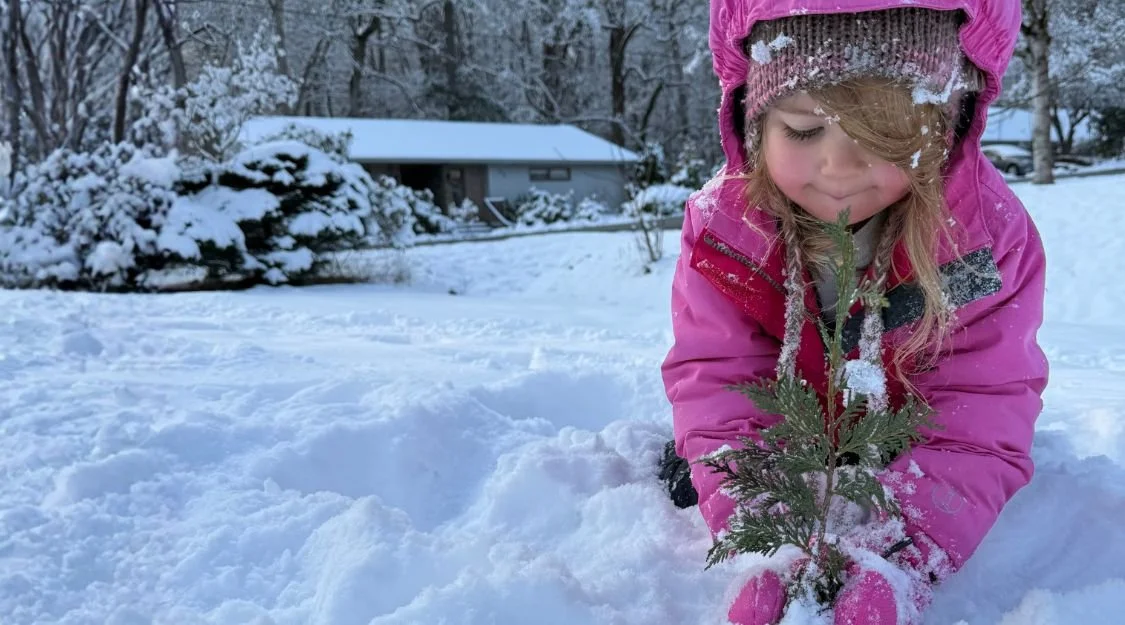
Young trees are tougher than they look. In fact, for trees suited to your climate, cold weather and winter dormancy are a natural and necessary part of the growing cycle.
But young trees are still establishing their root systems, which means a little extra care can make a big difference during their first few winters.
At Little Saps, our living gift trees begin their lives at Hart-T-Tree Farms in the Blue Ridge Mountains of North Carolina, where our family has been growing evergreen trees since 1986. We know firsthand that preparing a young tree for winter isn't about keeping it warm and cozy. It's about helping it enter the season healthy, hydrated, and protected.
Here are some of the most important things you can do.
1. Mulch Around Your Young Tree
If you only do one thing to prepare a young tree for winter, give it a good layer of mulch.
Mulch helps insulate the developing root system from rapid swings in soil temperature. It also helps the soil retain moisture—something that's important even when the tree isn't actively growing.
Apply approximately 2–4 inches of organic mulch, such as pine bark, shredded bark, or wood chips, around the tree's root zone.
But don't create a "mulch volcano."
Instead, spread the mulch in a wide, relatively flat layer like a flat doughnut and leave a few inches of space around the trunk. Piling mulch directly against the bark can trap excess moisture and contribute to rot, disease, and other problems.
2. Make Sure Your Tree Goes Into Winter Hydrated
Once the temperatures cool down, it's easy to stop thinking about watering. But adequate moisture going into winter is especially important for young trees.
Continue to monitor rainfall and water your tree during dry fall weather until the ground freezes.
This is particularly important for evergreens. Unlike deciduous trees that lose their leaves, evergreens retain their needles and can continue to lose moisture through them during winter. When the ground is frozen, however, their roots have limited ability to replace that moisture.
Starting winter with adequately moist—not waterlogged—soil can help reduce winter drying and browning.
And remember: more water isn't always better. Evergreens generally prefer well-draining soil and shouldn't sit in constantly saturated ground.
3. Protect Young Trees From Deer
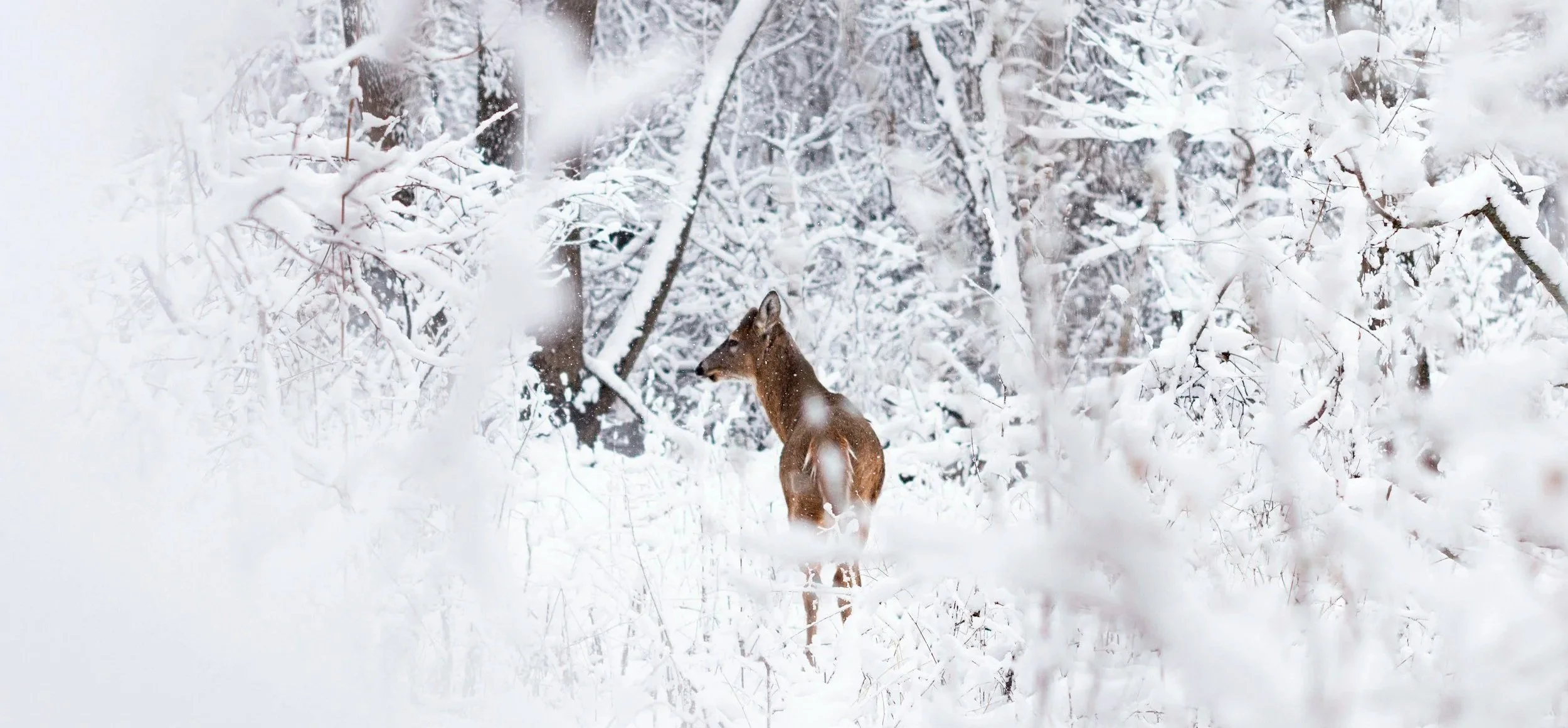
Sometimes the biggest winter threat to a young tree isn't the weather. It's the wildlife.
When other food becomes scarce, deer may browse the foliage and branches of young trees. Bucks can also damage young trunks by rubbing their antlers against them.
If deer regularly visit your property, consider protecting your young tree with a wire cage or other physical barrier. Make sure the barrier is tall and wide enough that deer can't simply reach over or through it.
And don't be too quick to remove that protection when winter ends.
Spring can be another vulnerable time for young trees. As trees break dormancy, their tender new buds and fresh growth can be especially attractive to browsing deer. Continue watching for deer activity as your tree begins putting on its new spring growth.
4. Skip the Late-Season Fertilizer
Fall isn't the time to push a young tree to grow.
As temperatures cool and days shorten, trees naturally begin preparing for dormancy. Fertilizing too late in the growing season can encourage tender new growth that may not have enough time to harden off before freezing temperatures arrive.
Instead, let your tree follow its natural seasonal cycle.
Winter may look quiet above ground, but dormancy is an important part of a tree's life. Your tree isn't dead or failing because it isn't actively growing. It's simply resting and conserving its resources until conditions are right for growth again.
5. Don't Bring an Evergreen Indoors for the Winter
This one is especially important for Little Saps owners. It is tempting to think that your Little Saps is a house plant, but it’s not!
Your Little Sap is an outdoor tree.
It may be tempting to bring a small tree inside when freezing temperatures arrive, but a heated home isn't the best place for a cold-hardy evergreen during winter. These trees are adapted to experience changing seasons and a period of winter dormancy.
We sent you a tree appropriate for your USDA hardiness zone and cold weather is a part of its normal life cycle.
Rather than bringing your tree inside for the season, give it an appropriate outdoor home where it can experience natural temperatures, sunlight, precipitation, and seasonal changes.
Just like other flora and fauna, winter is an important time for your tree to rest and gather energy for spring.
6. Be Careful With Snow and Ice
A little snow isn't necessarily a bad thing. Snow can actually provide insulation around the base of a tree.
Heavy, wet snow or ice is another matter.
If snow is weighing down the branches of a young evergreen, avoid aggressively shaking or beating it off—the cold branches can be brittle and may break.
If the snow is loose enough to remove easily, gently brush it away with an upward motion rather than pushing down on the branches. If branches are frozen in ice, it's usually better to let the ice melt naturally rather than trying to break it away.
7. Choose the Right Tree for Your Climate
Some of the best winter protection happens before you ever put a tree in the ground.
Different tree varieties thrive in different climates. Before planting, check your USDA Plant Hardiness Zone and make sure your tree variety is suited to your area.
Hardiness zones are based on an area's average annual extreme minimum winter temperature and are a useful starting point for determining whether a perennial plant can tolerate your winters.
Climate isn't the only consideration—sunlight, drainage, soil, summer heat, and local conditions matter too—but choosing the right tree for the right place gives it a much better foundation for long-term success.
At Little Saps, we take the guesswork out of choosing the right tree for your location. When you order, we match your shipping destination with tree varieties suited to that growing zone, helping ensure the right tree goes to the right place and has the best opportunity to thrive for years to come.
What If My Little Sap Is Still in Its Pot?
You don't have to plant your Little Sap in the ground immediately.
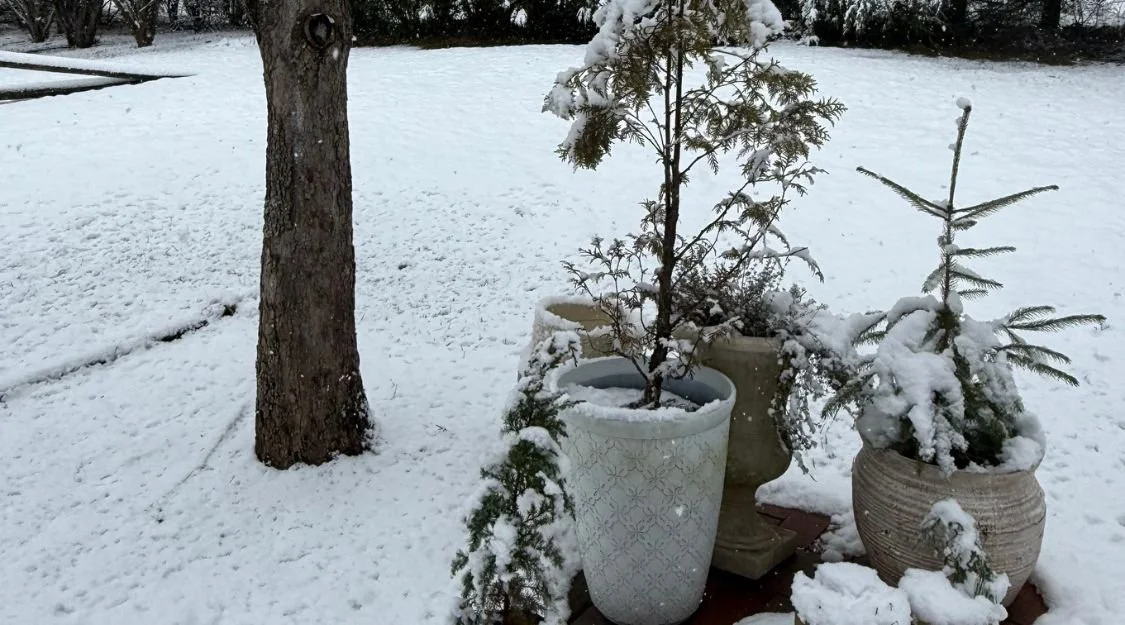
If your Little Sap arrived pre-potted, it can remain in the pot it came in for approximately a year before it will need a larger container or a permanent home in the ground.
First, make sure you've removed the plastic drainage plug from the bottom of the pot. Proper drainage is essential year-round.
Place the tree outdoors in a sunny or partially shaded location. Allow the soil to dry somewhat between waterings rather than keeping it constantly wet. During periods of regular rainfall, you may not need to water at all.
Keep in mind, however, that roots growing in a container are more exposed to temperature fluctuations than roots planted in the ground. If you live in an area with especially harsh winters, place the container in a protected outdoor location away from drying winds and extreme exposure.
Whatever you do, make sure water can continue to drain freely from the container.
What About a Newly Planted Tree?
If you've recently planted your Little Sap in the ground, don't panic when winter arrives.
A properly planted, cold-hardy tree generally doesn't need to be wrapped up or covered simply because temperatures drop.
Instead, focus on the basics:
Keep the tree adequately watered until the ground freezes.
Add 2–4 inches of mulch over the root zone, keeping it away from the trunk.
Protect the tree from deer and other wildlife when necessary.
Avoid late-season fertilization.
Let the tree experience its natural winter dormancy.
Your tree may not look like it's doing much over the winter—and that's exactly what it's supposed to be doing.
Spring Is Coming
One of our favorite moments on the farm happens when our trees begin to wake up after winter.
The buds that have remained tightly closed begin to swell and open, revealing soft, bright new growth. It's a reminder that while the tree may have appeared still during the winter months, it was simply waiting for the right conditions to begin growing again.
Those tender new buds also mean it's time to start paying attention again. Check your tree for winter damage, make sure mulch hasn't accumulated against the trunk, begin monitoring moisture as temperatures rise, and keep watching for hungry deer.
With the right tree in the right place—and a little care during its early years—you don't need to protect your young tree from winter so much as help it experience winter the way nature intended.
And then you get to watch it grow.
About Little Saps
Little Saps sends living evergreen gift trees to celebrate life's meaningful moments—from new babies and weddings to new homes, memorials, and simple reminders that someone is thinking of you.
Our trees are grown at Hart-T-Tree Farms, our family's multi-generation Christmas tree farm in the Blue Ridge Mountains of North Carolina. After your Little Sap arrives, it's meant to keep growing—first as a small tree and, eventually, as a lasting part of the landscape.