

Tree Care Questions Answered by the Little Saps Team
One of the things we love most at Little Saps is hearing from customers after their trees arrive.
Sometimes it's a photo of a newly planted sapling. Sometimes it's a story about how meaningful it is to receive a tree as a gift. And often, it's a question about what to do next.
Over the years, we've answered many tree care questions. While every tree and growing situation is a little different, there are a handful of questions that come up again and again.
We thought it would be helpful to share some of the advice we give most often. Hear directly from members of our team about what they wish every Little Sap owner knew.
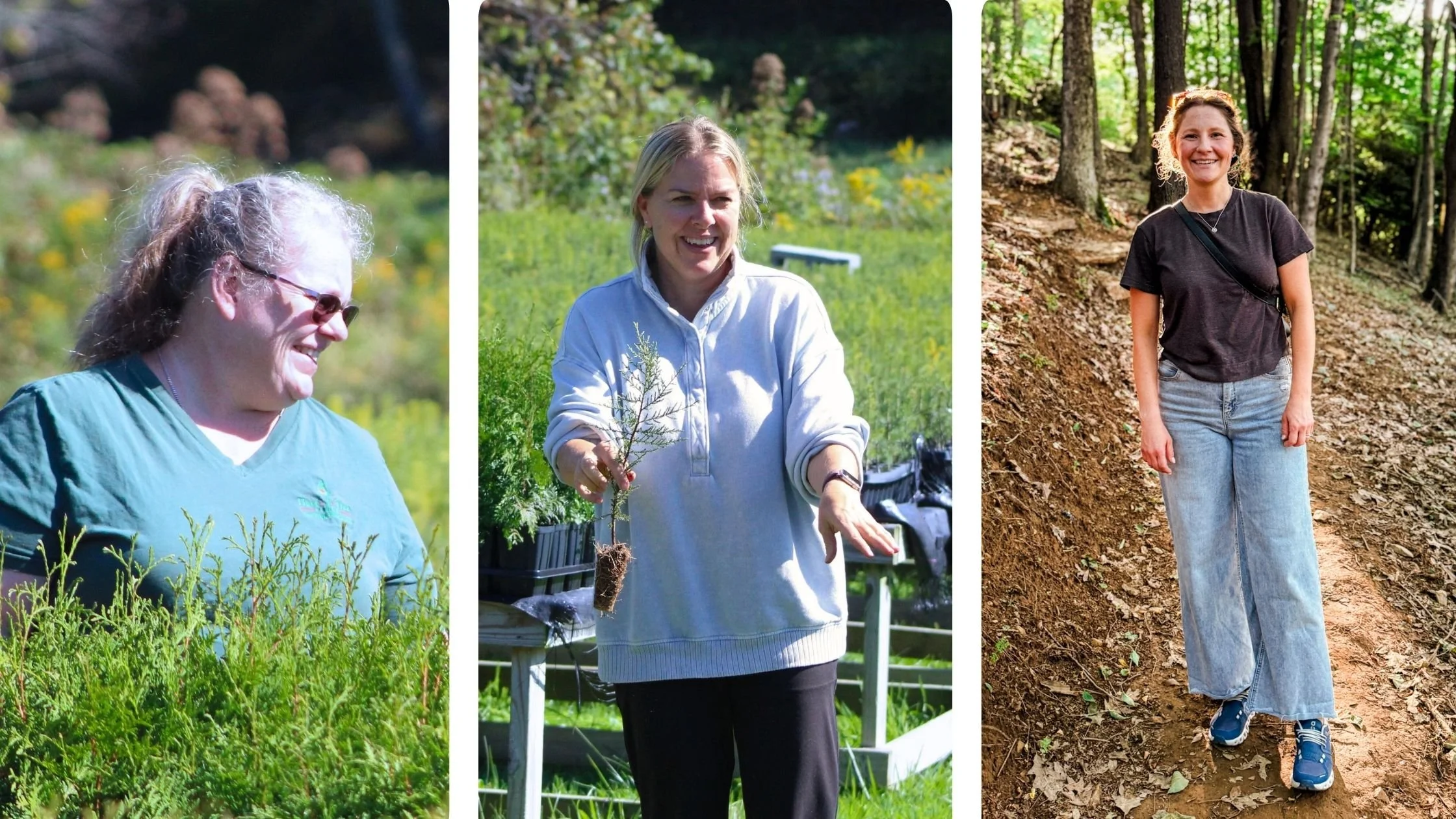
Meet the Team (L-R): Barbara, Greenhouse Manager; Carrie
Founder & Owner, Little Saps; Emily, Fulfillment Manager
Carrie's Tree Care Tips
As the founder of Little Saps and someone who has spent years caring for young trees, there are a few things I wish every customer knew from the start.
Choose the Right Pot Size
One of the most common mistakes I see is moving a small sapling into a pot that is too large.
It seems like giving a tree extra room would help it grow faster, but oversized pots can actually create problems. When there is too much soil surrounding a small root system, the soil stays wet longer than it should. This can increase the risk of root rot and stress the tree.
Instead, choose a pot that gives the roots a little room to grow without overwhelming them.
Don't Plant Too Deep
When repotting your Little Sap, make sure the top of the root plug sits level with or just below the surface of the soil.
Planting too deeply can make it harder for roots to access oxygen and can lead to unnecessary stress on the tree.
A good rule of thumb is simple: if you're unsure, err on the side of planting slightly higher rather than too deep.
Water Consistently, Not Excessively
People are often surprised when I tell them that too much water can be just as harmful as too little.
Your Little Sap likes soil that stays slightly moist, not soggy. Check the soil periodically and water when conditions are dry. During periods of heavy rainfall or cooler weather, you may need less water than you think.
Think About Your Climate
Many customers ask if their tree can stay outside during cold weather.
The answer is usually yes.
Our trees are outdoor trees and are naturally adapted to seasonal weather. However, if your area is experiencing severe freezing conditions and your tree has very tender new growth, it may benefit from some temporary protection.
When Should You Plant It in the Ground?
There isn't one perfect timeline.
Some customers plant their Little Sap in the ground soon after receiving it. Others enjoy growing it in a container for a year or two first.
In general, spring and fall are excellent times to transplant trees into the landscape. If your sapling is still quite small, allowing it to grow larger in a container first can help it become more established before planting.
Emily's Tree Care Tips
Working with customer orders every day, I hear many of the same questions from recipients after their Little Sap arrives.
How Big Will My Tree Get?
This is probably one of the most common questions we receive.
It's easy to focus on the small tree in front of you, but many of our evergreen varieties eventually grow into impressive landscape trees. Depending on the variety, mature heights can range from several dozen feet tall to even larger over time.
That's part of the magic of a Little Sap. You're starting with something small today that has the potential to become something remarkable in the years ahead.
How Soon Do I Need to Pot or Plant My Tree?
Fortunately, you don't need to panic.
If you receive a small sapling in a burlap bag or a small sapling in a linen bag, we recommend moving it into a pot with drainage reasonably soon after it arrives so the roots have room to breathe and grow.
That said, you don't have to drop everything the moment it arrives at your doorstep. A little planning goes a long way.
Will My Event Favors Stay Fresh Before My Event?
Absolutely.
This is a question we hear often from customers ordering favors for weddings, baby showers, memorial services, and other gatherings.
If your favors arrive a few days before your event, that's completely fine. Simply keep them in a cool outdoor location and follow any care instructions included with your order.
Watering Changes with the Seasons
One thing I wish more people knew is that watering needs to change throughout the year.
Trees generally require more water during the active growing season of spring and summer. During cooler months and winter dormancy, they typically need less.
Paying attention to the season and local weather conditions is often more helpful than following a rigid watering schedule.
When Is the Best Time to Move a Tree from a Pot into the Ground?
Spring and fall are generally the easiest times for trees to make the transition.
The cooler temperatures and more moderate conditions help reduce stress and give roots time to establish before extreme summer heat or winter cold arrives.
Barbara's Tree Care Tips
One of my favorite parts of working with trees is watching how they change throughout the seasons. A lot of customer questions come from not realizing that trees, like people, go through different stages throughout the year.
Your Little Sap Is Not a Houseplant
This is probably the thing I wish customers knew most.
Little Saps are outdoor trees. They need fresh air, sunlight, changing temperatures, and seasonal cycles to stay healthy.
While many people enjoy displaying their tree briefly indoors after it arrives, its long-term home should always be outside.
Trees Change Throughout the Year
Evergreen trees don't look exactly the same every season.
In spring, you'll often see fresh growth and vibrant green color. During dormancy, some varieties naturally develop bronze, purple, or darker tones.
American Arborvitae and Eastern Red Cedar are especially known for these seasonal color changes.
Many customers worry their tree is unhealthy when they notice these shifts, but often it's simply doing exactly what nature intended.
Protect Tender New Growth from Freezing Temperatures
Established evergreens are generally very hardy.
The one exception is fresh new growth that emerges in spring. If a late freeze is expected after new growth appears, providing temporary protection can help prevent damage.
Otherwise, most Little Saps are ready to enjoy life outdoors.
More Water Is Not Always Better
One of the biggest misconceptions about tree care is that watering more will automatically help a tree thrive.
In reality, overly wet soil can be stressful for roots and sometimes cause more problems than slightly dry soil.
When in doubt, check the soil before watering.
Remove Packaging Promptly
When your Little Sap arrives, remove the packaging materials as soon as possible.
Trees need airflow around their roots and foliage. Unpacking your tree quickly allows it to recover from shipping and settle into its new environment.
A Final Thought on Tree Care From Our Team
One of the reasons we love what we do is that every Little Sap represents a meaningful moment in someone's life.
Whether your tree was sent to celebrate a birthday, honor a loved one, welcome a new baby, or simply remind someone they're cared for, our hope is that it grows alongside the memories it represents.
If you ever have questions, we're always happy to help. After all, caring for trees is what we do every day, and sharing that knowledge is part of the joy.
Happy planting,
Carrie, Emily, and Barbara